Product Center

全部
  • 全部
  • 产品管理

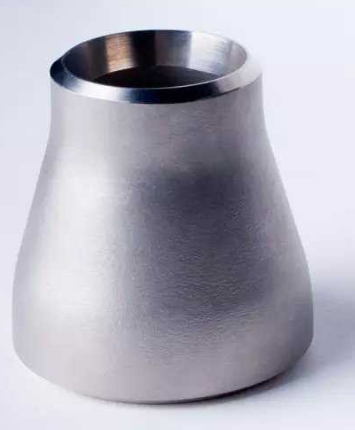
Concentric Reducer Eccentric Reducer Pipe Fittings

A reducer is a type of pipe fitting used to connect pipes of different diameters, including concentric reducers and eccentric reducers, and can be customized to meet specific requirements.

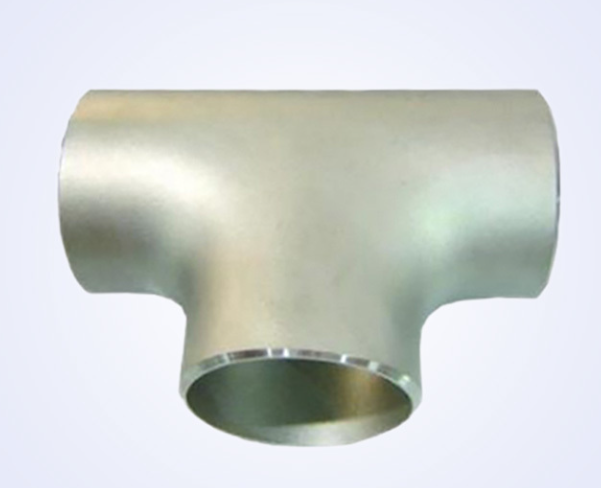
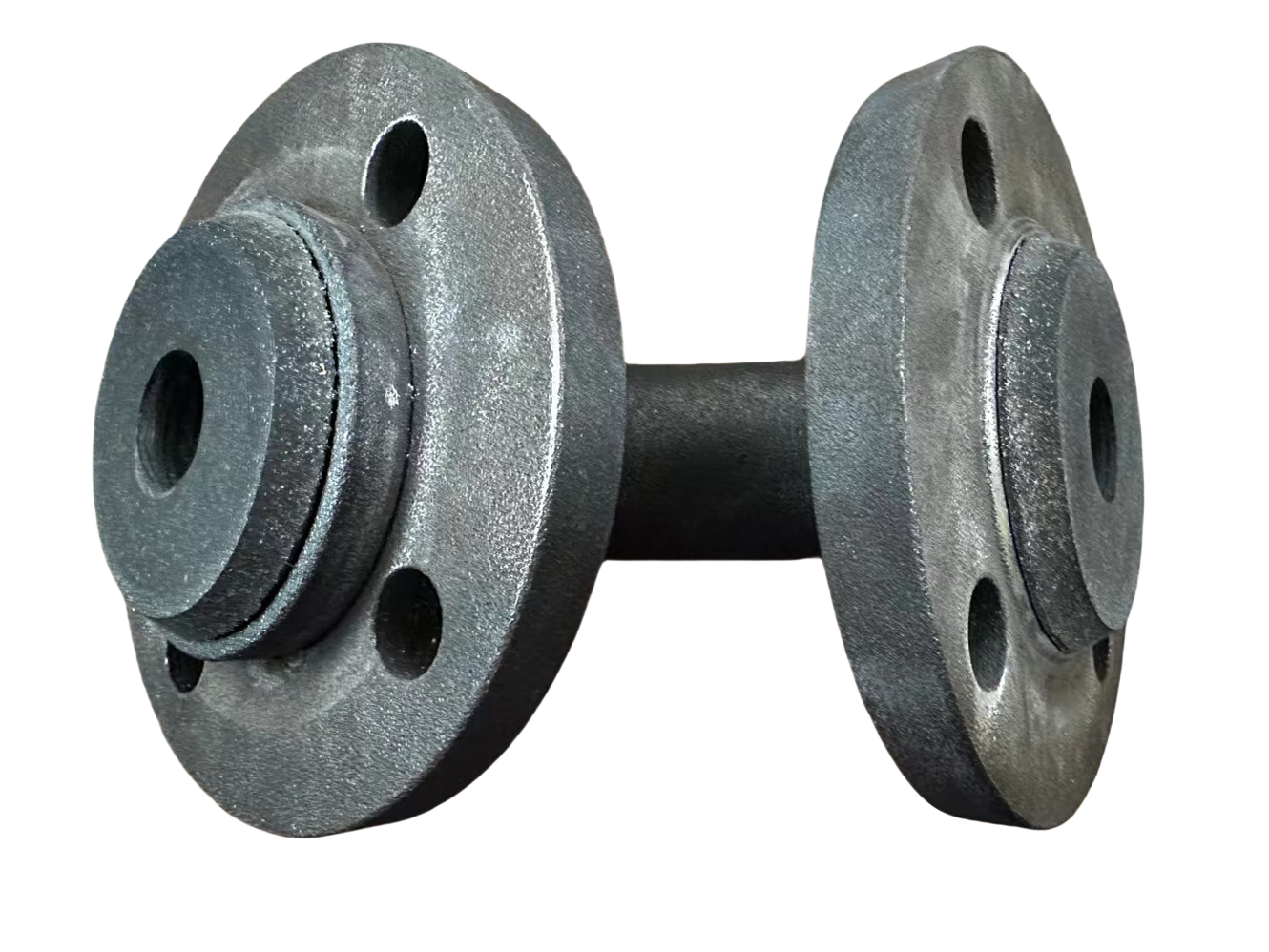
Tee Pipe Fittings

Tee pipe fittings are essential components in piping systems, used to split or combine flow in different directions. They have three openings: one inlet and two outlets (or vice versa), and are widely used in industries such as oil and gas, chemical processing, water treatment, power plants, and mining.

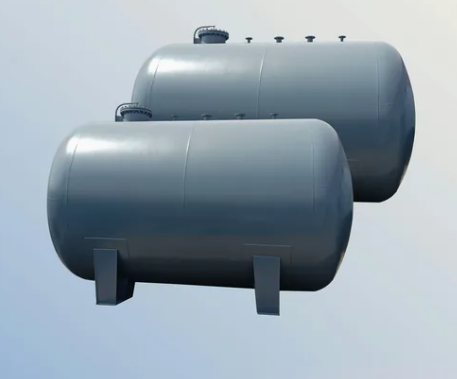
Rubber-lined reaction tanks, Custom storage tanks, and reactors—corrosion-resistant, impact-resistant, and food-grade safe containers.

Rubber-lined reaction tanks, storage tanks, and reactors are specialized industrial containers designed to handle corrosive, abrasive, and high-impact materials while ensuring food-grade safety when required. These tanks feature an internal rubber lining that provides superior protection against chemical corrosion, mechanical wear, and impact damage.Key Features:Corrosion Resistance: The rubber lining effectively prevents chemical attack from acids, alkalis, and other aggressive substances.Impact Resistance: Designed to withstand mechanical impact, ensuring durability in demanding environments.Food-Grade Safety: Available with FDA-approved rubber linings for safe use in food and pharmaceutical industries.Extended Service Life: The combination of high-quality metal substrates and premium rubber linings significantly increases the lifespan of the tanks.Leak-Proof & High Sealing Performance: Ensures containment integrity for safe storage and processing of sensitive materials.Common Applications:Chemical Industry: Used for storing and processing corrosive chemicals, acids, and alkalis.Mining & Metallurgy: Ideal for handling abrasive slurries and chemical leaching processes.Pharmaceutical & Food Processing: Suitable for storing and mixing food-grade or pharmaceutical-grade liquids and semi-solids.Water Treatment & Environmental Protection: Used in wastewater treatment and other environmental applications.Customization Options:To meet specific industry requirements, our rubber-lined tanks and reactors can be customized as follows:Material Selection: Various rubber types available (natural rubber, butyl rubber, EPDM, neoprene, etc.) based on chemical compatibility and temperature resistance.Lining Thickness: Adjustable lining thickness to enhance wear and corrosion resistance.Tank Size & Configuration: Fully customizable dimensions, shapes, and pressure ratings according to operational needs.External Coatings: Additional anti-corrosion coatings for extended durability in harsh environments.Flange & Connection Standards: Compatible with ANSI, DIN, JIS, and other international flange standards.Custom Design Based on Drawings: We offer fully customized solutions based on client-provided technical drawings, ensuring precise manufacturing to meet unique specifications.For further inquiries or customized solutions, feel free to contact us!

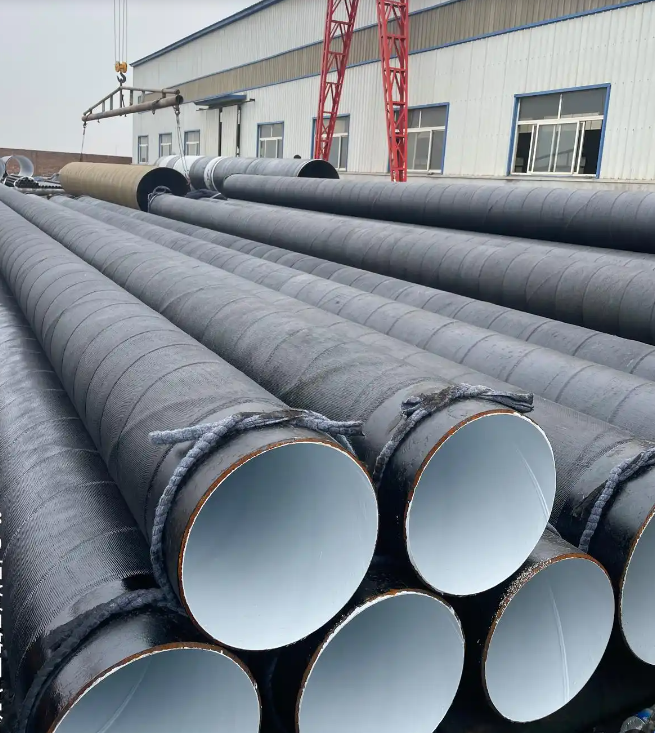
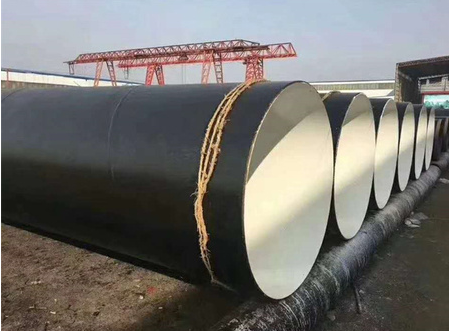
Three Oil and Two Fabric Anti-corrosion Steel Pipe

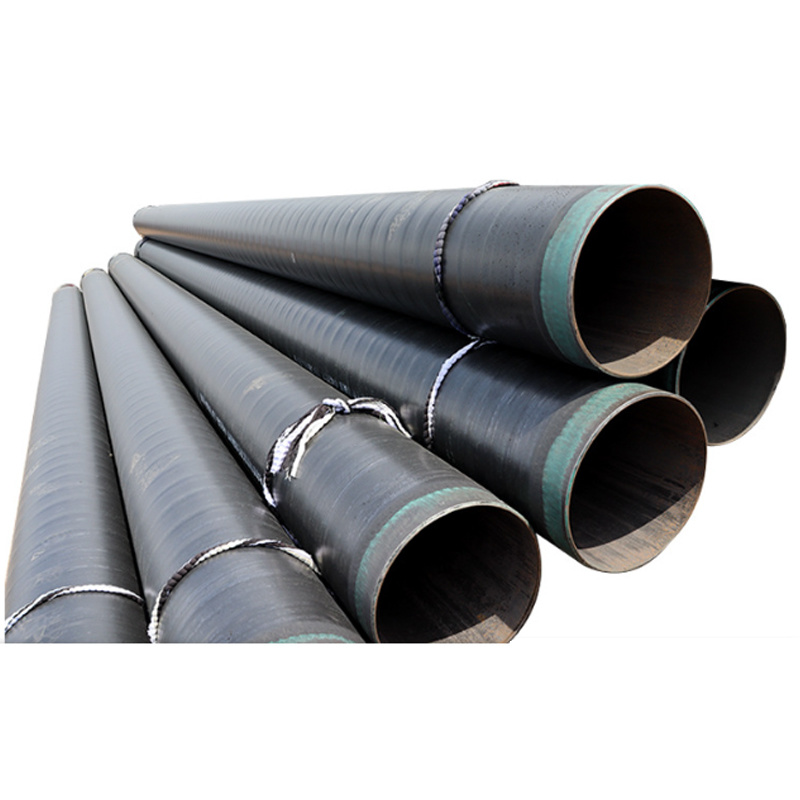
The Three Oil and Two Fabric Anti-corrosion Steel Pipe uses a three-layer anti-corrosion coating and two layers of fiberglass fabric, effectively providing corrosion protection, pressure resistance, and chemical resistance. It is suitable for a variety of harsh environments and is widely used in industries such as petroleum, chemicals, and urban construction, making it an ideal choice for piping solutions.

Epoxy coal tar enamel (ECT) anti-corrosion pipes

Epoxy coal tar enamel (ECT) anti-corrosion pipes are made by applying an epoxy coal tar enamel coating to the exterior of steel pipes, providing effective corrosion protection in harsh environments. This type of anti-corrosion pipe is widely used in industries such as oil and gas, water supply, sewage treatment, and petrochemicals, where pipes are exposed to aggressive conditions, including moisture, chemicals, and high pressure. The combination of the steel core and the protective coating makes ECT pipes ideal for long-lasting performance in aggressive environments.Key Features:Outstanding Corrosion Resistance: The epoxy coal tar enamel coating provides excellent protection against corrosion from water, soil, and chemical media, including salts, acids, and alkalis. The coating is resistant to aggressive corrosion, making it ideal for underground or submerged installations.High Durability: Epoxy coal tar enamel has exceptional resistance to mechanical wear, environmental factors, and aggressive chemicals. It enhances the life expectancy of the steel pipe, reducing the frequency of maintenance or replacement.Excellent Adhesion: The coal tar enamel coating bonds tightly to the steel surface, forming a protective layer that adheres well even under high mechanical stress and temperature variations. This strong adhesion prevents corrosion from occurring at any weak points.Thermal and Chemical Stability: Epoxy coal tar enamel offers excellent performance in a wide temperature range, typically from -40°C to 80°C, depending on the specific formulation. It also shows high chemical resistance to hydrocarbons, acidic solutions, and various chemicals commonly found in industrial pipelines.High Abrasion Resistance: The coal tar enamel coating forms a thick, durable layer that resists abrasion, ensuring that the pipe maintains its integrity even when exposed to rough handling or high-flow conditions. This feature is particularly useful in mining, oil, and gas transport.Water and Moisture Resistance: The coating's water and moisture resistance make it ideal for use in humid environments, ensuring that the steel pipe is protected from corrosion even when buried underground or submerged in water.Environmental and Safety Considerations: Epoxy coal tar enamel coatings are environmentally friendly and safe to use, with low toxicity and no significant harm to surrounding ecosystems when properly applied.Easy to Apply: The epoxy coal tar enamel coating can be applied using various methods, including spray, brush, or dip coating, allowing for flexibility in manufacturing and installation processes.Cost-Effective: This type of coating is more affordable compared to some other advanced coatings, offering a cost-effective solution for projects where long-term corrosion protection is required.Applications:Oil and Gas Industry: For transporting crude oil, natural gas, and other hydrocarbons, where protection from corrosion is critical.Water Supply and Sewage Systems: Used for pipes carrying drinking water, sewage, or wastewater, particularly in areas prone to corrosion.Marine Applications: Suitable for pipelines exposed to seawater or other corrosive marine environments.Chemical and Petrochemical Industries: For transporting chemicals and industrial liquids, including in environments where exposure to corrosive substances is common.Mining and Industrial Pipelines: For use in mining slurry pipelines and other industrial process pipes that need robust corrosion protection.Technical Specifications:Coating Type: Epoxy coal tar enamel (ECT)Thickness of Coating: Typically ranges from 0.3 mm to 1.5 mm, depending on pipe size and application.Temperature Resistance: Typically -40°C to 80°C, depending on the formulation.Pressure Rating: Varies depending on the application but can typically handle up to 16 MPa or higher.Adhesion Strength: ≥ 2.0 MPaAbrasion Resistance: Typically tested using the Taber abrasion test; the coating should show minimal wear under standard conditions.Benefits:Long-Term Protection: Offers excellent corrosion protection, which significantly extends the service life of the pipeline.Cost-Effective: A more affordable option compared to other specialized coatings, providing effective corrosion control at lower costs.Low Maintenance: The durable coating reduces the need for regular inspection, maintenance, and repair of pipelines.Adaptability: Suitable for a wide range of industries and environments, making it a versatile solution for diverse applications.Reliability: Proven to perform well under harsh conditions, making it a reliable choice for critical infrastructure systems.Epoxy coal tar enamel anti-corrosion pipes offer a robust solution for pipelines exposed to harsh environmental conditions. The combination of steel’s strength and the coating’s corrosion resistance ensures a long-lasting and low-maintenance piping system suitable for a variety of industrial applications.

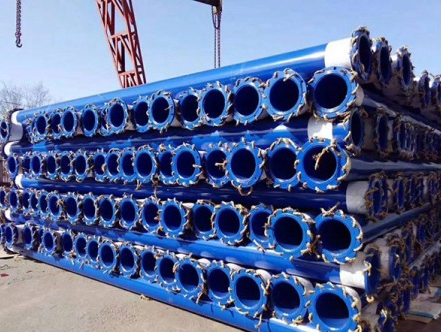
Inner and outer coating composite pipes

Inner and outer coating composite pipes (also known as epoxy coated or plastic-coated composite pipes) combine the strength of steel pipes with the excellent corrosion resistance of plastic coatings. These pipes are widely used in various industries, including petroleum, chemical, water supply, heating, and other infrastructure systems, where resistance to harsh environments is crucial. The composite pipe consists of a steel pipe as the core and plastic coatings on both the inner and outer surfaces to provide superior protection.Key Features:Superior Corrosion Resistance: The inner and outer plastic coatings provide excellent protection against rust, corrosion, and chemical attack. The plastic coatings are typically made of epoxy, polyethylene, or polypropylene, which ensure resistance to a wide range of corrosive substances such as acids, alkalis, salts, and other chemicals.Enhanced Durability: The combination of steel and plastic coatings extends the service life of the pipe. The steel pipe offers strength and pressure resistance, while the plastic coatings protect against environmental factors such as water, air, and chemicals, significantly reducing maintenance costs and downtime.High Pressure Resistance: The steel core provides excellent pressure resistance, making the composite pipe suitable for high-pressure applications, including water and gas transportation, as well as industrial processes that require robust and reliable piping systems.Smooth Inner Surface: The inner coating provides a smooth surface that reduces friction and minimizes flow resistance. This helps improve the efficiency of fluid or gas transport and reduces energy consumption in the system.Temperature Resistance: The composite pipe is designed to withstand both high and low temperatures, depending on the type of plastic coating used. For example, epoxy coatings can withstand temperatures up to 80°C, while polyethylene can handle temperatures up to 60°C.Anti-Scaling and Anti-Fouling: The smooth inner coating reduces the accumulation of scale and debris, improving the flow characteristics and reducing the need for maintenance. This is particularly useful in water and wastewater transport applications.Improved Aesthetic Appearance: The outer plastic coating can be customized with various colors and finishes, making it suitable for both above-ground and underground installations, while offering an aesthetically pleasing look.Lightweight and Easy to Install: The plastic coating reduces the overall weight of the pipe, making it easier to transport, handle, and install. The pipes are often easier to manage compared to solid metal pipes, reducing installation time and costs.Applications:Water Supply and Drainage: For transporting potable water, wastewater, and sewage, where corrosion resistance and hygiene are important.Oil and Gas Transport: For pipelines that need to withstand harsh environments and corrosion from hydrocarbons and other chemicals.Industrial Process Piping: Suitable for chemical plants, pharmaceutical plants, and manufacturing facilities that require durable, corrosion-resistant piping.Heating Systems: For use in district heating or industrial heating systems, where resistance to chemicals and high temperatures is essential.Marine and Coastal Areas: Especially useful in coastal areas or other environments where pipes are exposed to saltwater and other corrosive elements.Technical Specifications:Outer Coating Material: Typically epoxy, polyethylene, polypropylene, or PVC.Inner Coating Material: Epoxy, polyurethane, or other corrosion-resistant materials.Pressure Rating: Designed to handle pressures up to 16MPa or higher, depending on the pipe size and application.Temperature Range: Varies based on the coating material but typically ranges from -20°C to 80°C.Standard: Complies with international standards such as ISO, ASTM, or equivalent, depending on regional regulations.Benefits:Extended Service Life: Protects against corrosion and wear, significantly extending the life of the pipe.Cost-Effective: Reduces the need for frequent maintenance or pipe replacement.Environmental Protection: Provides a more sustainable solution for transporting hazardous or corrosive materials.Reliable Performance: The combination of steel and plastic coatings ensures reliable performance in various challenging environments.Inner and outer coated composite pipes offer an advanced solution for industries requiring durable, corrosion-resistant, and high-performance piping systems, ensuring long-term reliability and cost savings in maintenance.

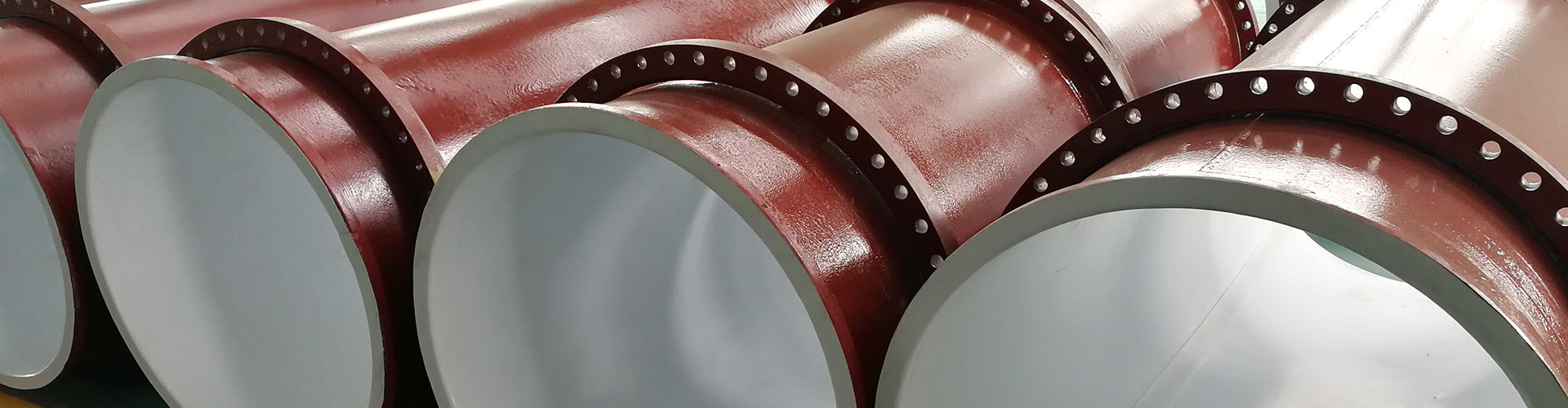
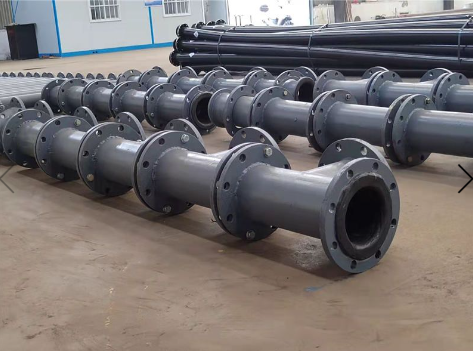
Steel-lined ultra-high molecular weight polyethylene tee/elbow.

Ultra-high molecular weight polyethylene (UHMWPE) wear-resistant pipe fittings include elbows, tees, and various special-shaped fittings. The company can manufacture custom fittings according to the specific requirements of enterprises. These pipe fittings are made from UHMWPE resin with a molecular weight of over 2 million, continuously extruded to form the fittings. They are suitable for medium transmission in special industrial enterprises such as mining, electricity, coal, and chemicals. The superior performance of these UHMWPE pipe fittings is primarily reflected in the following characteristics:High Wear Resistance: The wear resistance of UHMWPE is 4-7 times that of steel pipes, 3 times that of ordinary PE pipes, and 4 times that of nylon. Practical applications have proven that UHMWPE pipes are commonly used as wear-resistant pipes for transporting slurry with small particles.High Corrosion Resistance: UHMWPE has a saturated molecular structure, providing excellent chemical stability. It can resist corrosion from various corrosive media and organic solvents.High Flexibility: The elongation at break can reach over 400%. During construction, the pipe can undergo significant bending. Even when extended up to three times its original length during ground subsidence, it will not break.High Impact Resistance: UHMWPE has the highest impact strength among all plastics, 10 times that of high-density polyethylene and 6 times that of nylon. Whether subjected to strong external impacts or internal pressure fluctuations, it is difficult to crack.Low-Temperature Resistance: UHMWPE performs excellently at low temperatures. At -40°C, its impact strength remains high. It retains good performance even at extremely low temperatures, making it especially suitable for medium transmission in cold regions.Resistance to Scaling: The inner and outer surfaces of the pipes are smooth, with excellent non-stick properties and self-lubricating characteristics. Scaling substances are difficult to deposit and adhere, significantly reducing the cost of pipe descaling maintenance.Anti-Aging Properties: UHMWPE has superior anti-aging properties compared to PE100. When buried underground for 50 years, its mechanical properties only decrease by 20%.Energy-Saving Effect: The friction coefficient of UHMWPE is 0.07-0.11, and its roughness is only 1/6 of that of new steel pipes. The flow capacity exceeds that of steel pipes by more than 50%, and its inner diameter can be reduced by about 15% compared to steel pipes.Safety and Environmental Friendliness: UHMWPE is non-toxic and odorless, meeting national standards for drinking water pipeline use.Ease of Installation: The weight of UHMWPE pipes is only one-eighth that of steel pipes, greatly reducing installation costs. The pipe connection can be made by directly flaring the pipe body and flange docking, without the need for additional seals. It can also be connected by socketed electric fusion welding, offering high joint strength and easy operation.Technical Specifications:Product Name: Ultra-high Molecular Weight Polyethylene Wear-resistant Pipe FittingsTesting Standard: QB/T 2668.1-2017Test ItemStandardTest ResultConclusionTensile Strength≥25MPa30.8 MPaPassElongation at Break≥280%457.67%PassCharpy Impact Strength≥130 KJ/m²145.5 KJ/m²PassSand Abrasion Rate≤0.3%0.14%PassStatic Hydrostatic Test (100h)No cracking, no leakageNo cracking, no leakagePassApplications:Oil, natural gas, crude oil, and liquid transportationUnderground filling and tailings transportationPulp, chemicals, and food industry applicationsMining, metallurgy, and power industry pipelinesEnvironmental protection and wastewater treatment systemsThe ultra-high molecular weight polyethylene wear-resistant pipe fittings, with their superior wear resistance, corrosion resistance, high pressure resistance, and low-temperature performance, are ideal for use in harsh environments. They are widely used in industries such as mining, electricity, coal, and chemicals.

Anti-static PTFE/PFA steel pipe

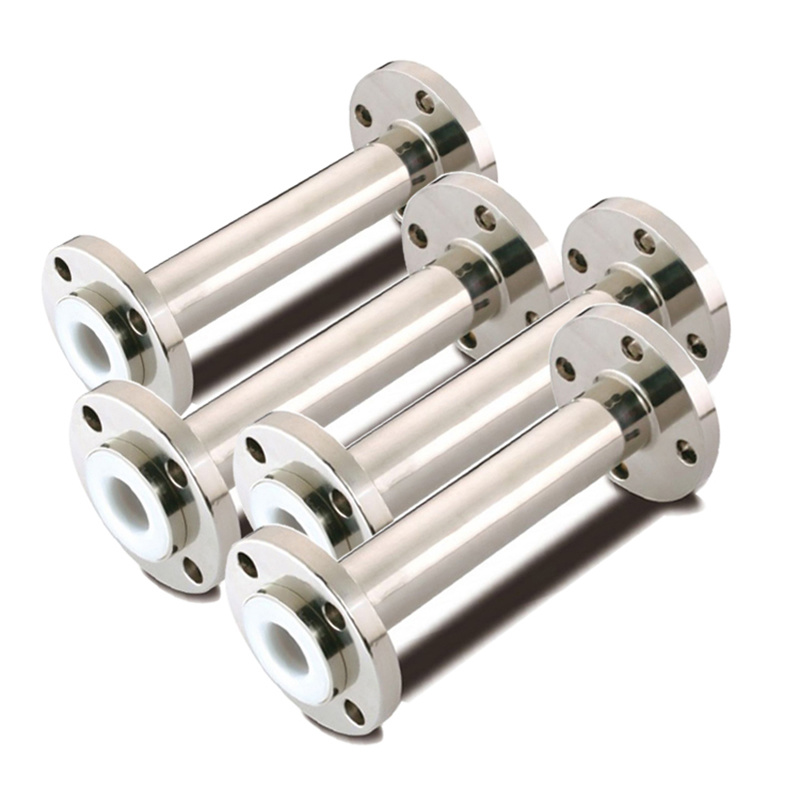
Anti-static PTFE-lined Steel Pipe is a specialized type of pipeline designed to transport corrosive or high-purity substances while minimizing the risk of static electricity buildup. This type of pipe combines the excellent chemical resistance and non-stick properties of PTFE (Polytetrafluoroethylene) with the mechanical strength of steel, and it incorporates anti-static properties to ensure safety in applications involving flammable or explosive materials.Key FeaturesAnti-static PropertiesSpecial additives in the PTFE lining reduce static electricity buildup during fluid transportation, making it suitable for handling flammable or volatile substances.Ensures safe operation in explosive environments by dissipating static charges.Chemical ResistancePTFE is highly resistant to a wide range of chemicals, including strong acids, alkalis, and organic solvents.Ideal for use in industries dealing with aggressive chemical substances.High Temperature ResistanceCapable of withstanding high temperatures, typically up to 260°C (500°F), depending on operating conditions.Durability and StrengthThe steel shell provides excellent mechanical strength, allowing the pipe to handle high-pressure applications.Resistant to mechanical impact and deformation.Smooth Inner SurfaceThe PTFE lining ensures a low friction coefficient, promoting efficient fluid flow and preventing material buildup.ApplicationsChemical and Petrochemical IndustriesUsed for transporting corrosive chemicals like acids, alkalis, and solvents.Suitable for explosive or volatile environments due to its anti-static properties.Pharmaceutical and Food ProcessingEnsures hygienic transportation of high-purity fluids.Non-reactive inner lining preserves the quality of transported substances.Semiconductor IndustryHandles ultra-pure chemicals required for wafer production and etching processes.Oil and Gas IndustryUsed in pipelines where the risk of static electricity ignition is high.Water Treatment PlantsIdeal for handling aggressive media like chlorine, sulfuric acid, and other water treatment chemicals.AdvantagesEnhanced safety in hazardous environments.Long service life with minimal maintenance.Customizable sizes, pressure ratings, and connection types to meet project-specific requirements.If you need additional information, such as technical specifications or implementation guidelines, feel free to ask!

3PE anti-corrosion coated steel pipe

Three-layer PE anti-corrosion structure for pipes: The first layer is epoxy powder (FBE > 100μm), the second layer is adhesive (AD) 170~250μm, and the third layer is polyethylene (PE) 2.5~3.7mm.

Steel Lined PTFE/PFA Elbow for Chemical Applications

Lined fluoropolymer pipes are composite pipes that use ordinary carbon steel pipes as the substrate, lined with polytetrafluoroethylene (PTFE).

Stainless Steel Lined PTFE Pipeline for Chemical Applications

The lined fluoropolymer pipe is a composite pipe that uses ordinary carbon steel as the substrate and is lined with polytetrafluoroethylene (PTFE).

Stainless Steel Lined PTFE Elbow Corrosion-Resistant Fitting

Lined fluoropolymer pipes are composite pipes that use ordinary carbon steel pipes as the substrate, lined with polytetrafluoroethylene (PTFE).