Cangzhou Hengtai Zeyuan Anti-corrosion Pipeline Co., Ltd.


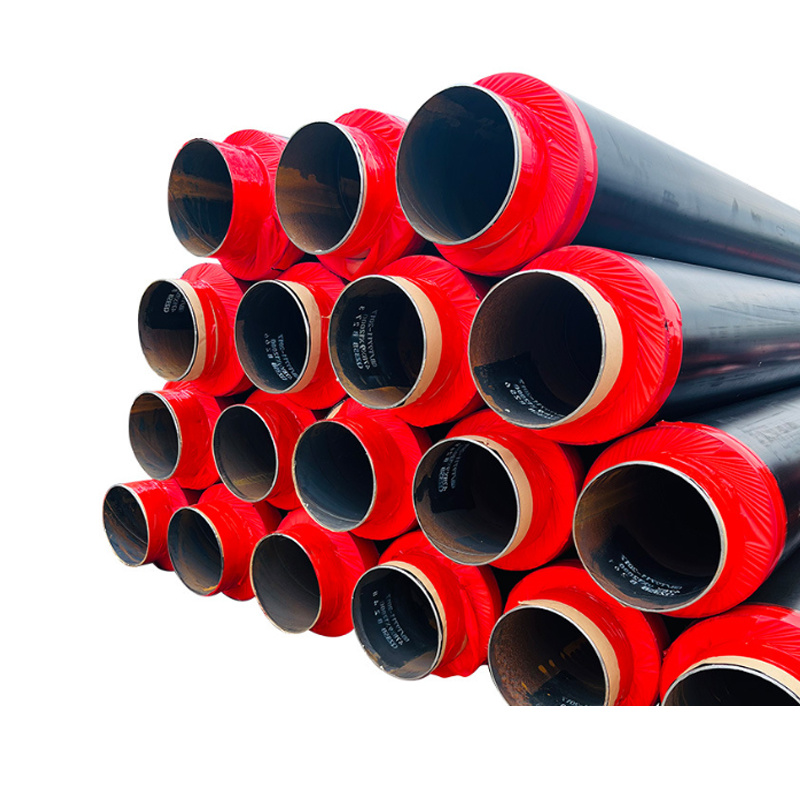
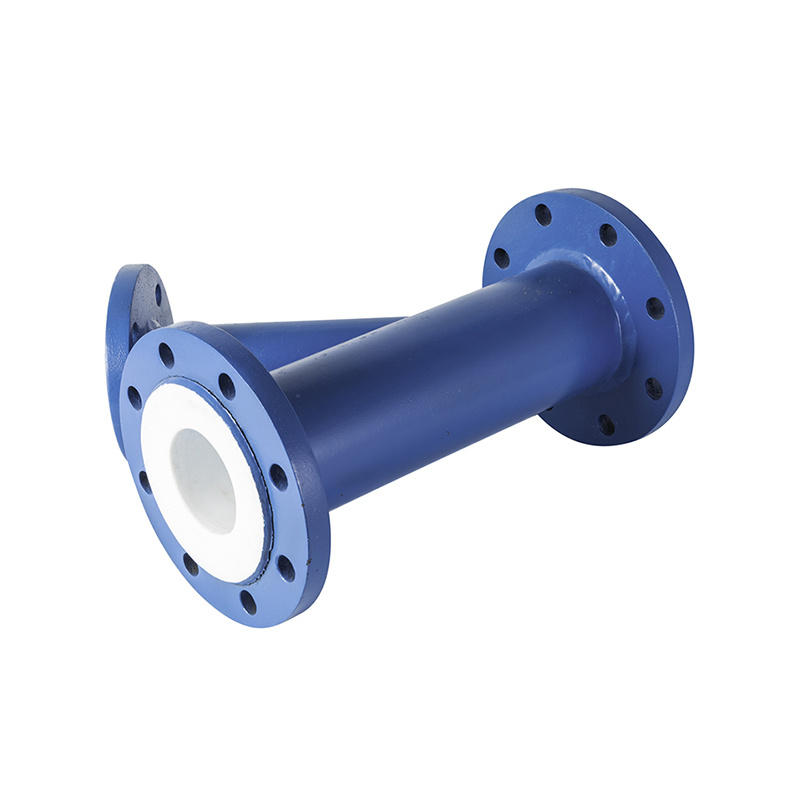
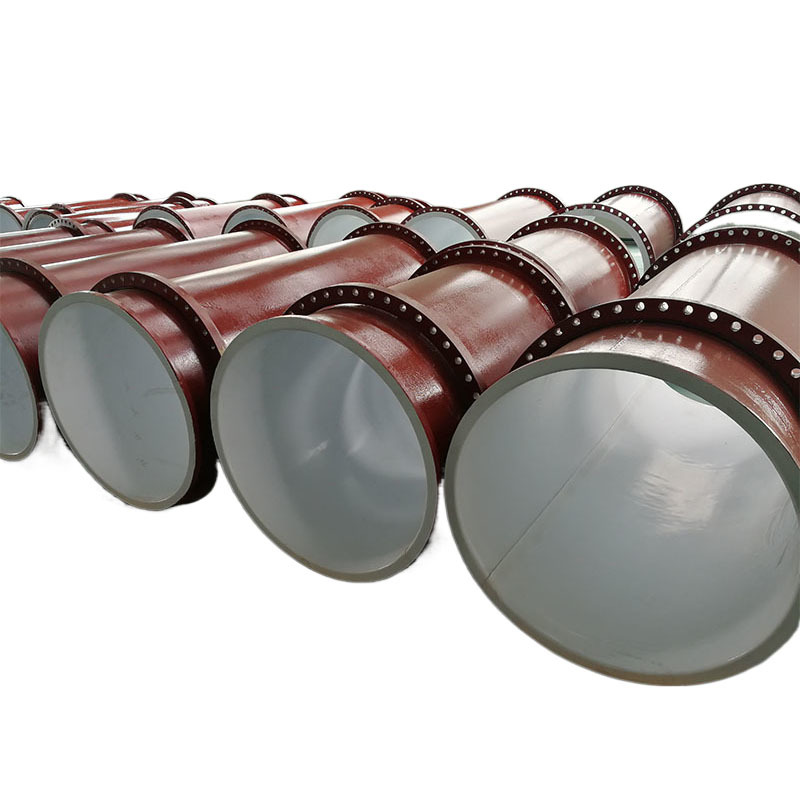
Ceramic-lined pipe fittings are high-performance industrial pipeline components primarily used in environments with high wear, high corrosion, or high temperatures. By lining the inner wall of metal pipe fittings with ceramic materials, their wear resistance, corrosion resistance, and service life are significantly enhanced. Below is a detailed introduction:
1. Structure and Materials
-
Outer Layer Material: Typically made of carbon steel, stainless steel, or other metal materials to provide mechanical strength and support.
-
Lining Material: High-hardness, wear-resistant ceramic materials (such as alumina, silicon carbide, or zirconia) are bonded, embedded, or sintered to the metal substrate.
-
Connection Methods: Ceramic-lined pipe fittings can be connected to other pipelines via flanges, threads, or welding.
2. Main Types
-
Ceramic-Lined Straight Pipes: Used for straight pipelines, suitable for conveying highly abrasive media.
-
Ceramic-Lined Elbows: Used at pipeline bends to reduce wear caused by media impact.
-
Ceramic-Lined Tees and Crosses: Used for pipeline branching connections, suitable for complex pipeline systems.
-
Ceramic-Lined Reducers: Used for pipeline diameter changes to adapt to connections between different pipe sizes.
3. Performance Characteristics
-
High Wear Resistance: Ceramic materials have extremely high hardness (typically above HRA85), effectively resisting and wear of particulate materials.
-
Corrosion Resistance: Ceramic materials are chemically stable and can resist corrosion from acids, alkalis, salts, and other corrosive media.
-
High-Temperature Resistance: Ceramic materials exhibit excellent high-temperature resistance and can be used for extended periods in high-temperature environments.
-
Long Service Life: Compared to ordinary metal pipe fittings, the service life of ceramic-lined pipe fittings can be extended by several times or even dozens of times.
-
Lightweight Design: Ceramic materials have low density, making the overall weight lighter and facilitating installation and maintenance.
4. Application Fields
-
Power Industry: Used in coal conveying, ash removal, slag discharge, and other pipeline systems.
-
Mining Industry: Used for conveying highly abrasive media such as ore slurry, tailings, and concentrates.
-
Metallurgical Industry: Used for high-temperature flue gas and dust conveying pipelines.
-
Chemical Industry: Used for conveying corrosive media such as acids, alkalis, and salt solutions.
-
Cement Industry: Used for conveying raw materials, clinker, coal powder, and other materials.
5. Manufacturing Processes
-
Bonding Method: Ceramic tiles or coatings are fixed to the inner wall of metal pipe fittings using high-strength adhesives.
-
Embedding Method: Ceramic blocks are embedded into the inner wall of metal pipe fittings to form a tight bond.
-
Sintering Method: Ceramic materials are bonded to the metal substrate through high-temperature sintering, forming an integrated lining layer.
6. Product Standards
-
International Standards:
-
ISO 21009: Specifications for ceramic-lined industrial pipes.
-
ASTM A977: Standard for ceramic-lined steel pipes and fittings.
-
-
National Standards:
-
GB/T 26136: Chinese standard for wear-resistant ceramic-lined pipes and fittings.
-
DIN 28060: German standard for ceramic-lined components in chemical equipment.
-
7. Selection and Installation Considerations
-
Select appropriate ceramic materials and fitting types based on media characteristics (e.g., particle size, flow rate, temperature, corrosiveness).
-
Avoid mechanical damage to the ceramic lining during installation.
-
Regularly inspect the wear condition of the fittings and replace damaged components promptly.
Ceramic-lined pipe fittings are indispensable high-performance components in modern industrial pipeline systems, especially suitable for high-wear and high-corrosion working conditions. They significantly improve the reliability and cost-effectiveness of pipeline systems.
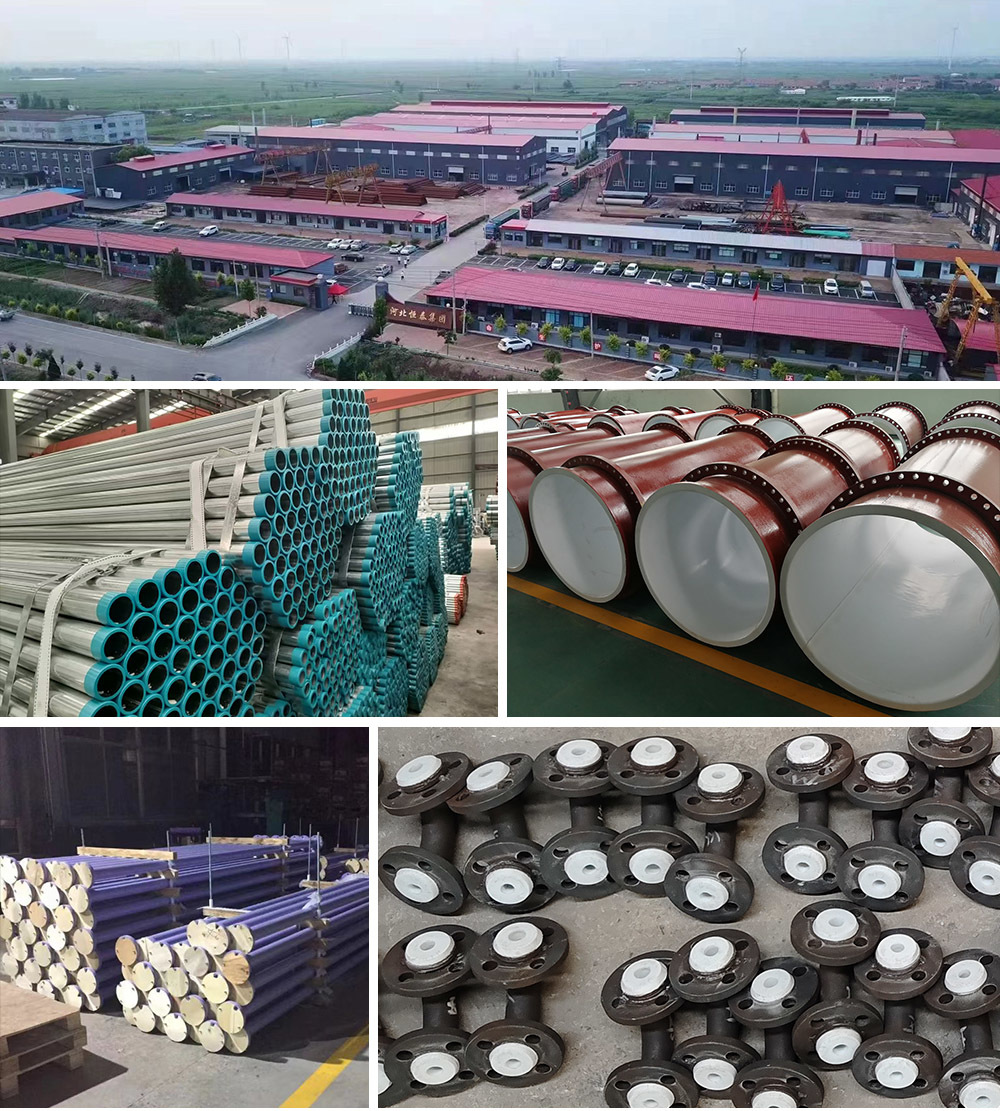
Factory Tour
Enterprise Qualification
Keywords
ceramic-lined elbow fittings,wear-resistant and corrosion-resistant elbow
Contact Us
Classification

Hebei Hengtai Group, 338 National Road North, Zhenggang Industrial Park, Yanshan County, Cangzhou City, Hebei Province




Request Quote
* Note: Please be sure to fill in the information accurately, we will contact you as soon as possible