Cangzhou Hengtai Zeyuan Anti-corrosion Pipeline Co., Ltd.


Plastic lined pipes are important pipeline components widely used in many industrial fields, characterized by a combination of the mechanical properties of steel pipes and the corrosion resistance of plastic pipes. The following is a detailed introduction to lined plastic pipes:
Definition and Types
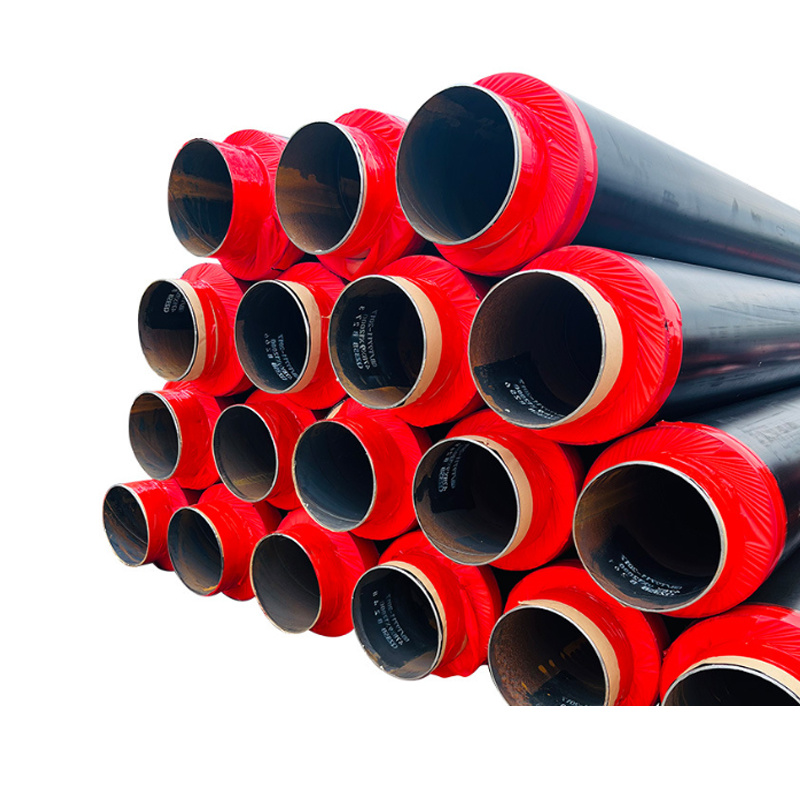
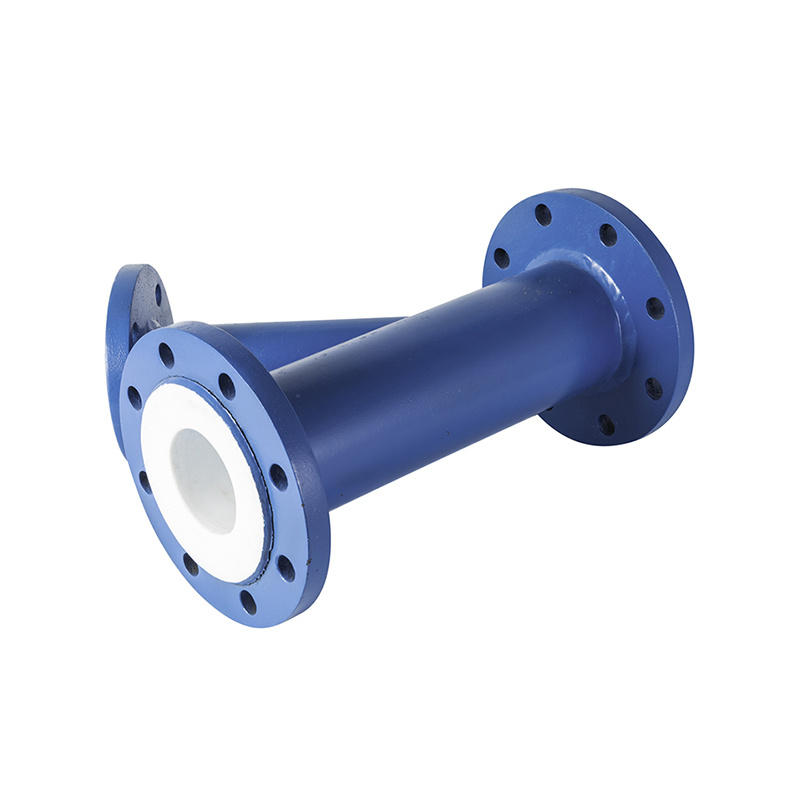
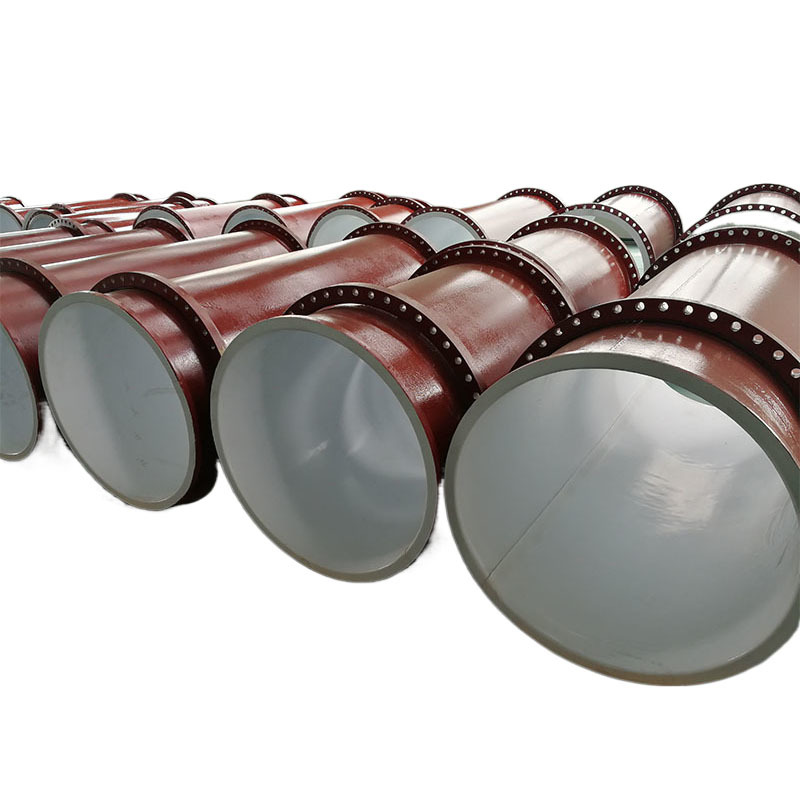
Plastic lined pipes are composite pipe components based on ordinary carbon steel pipes, lined with thermoplastic materials that have excellent chemical properties. They are cold drawn composite or rotomized. They mainly include types such as elbows, tees, crosses, and reducers, used together with pipelines, possessing the same corrosion resistance as the pipelines, with interchangeability and versatility.
Performance Characteristics
Strong corrosion resistance: Lined plastic pipes can resist the erosion of various corrosive media such as acids, alkalis, and salts, making them suitable for transporting corrosive fluid media and industrial pure water, chemical pure water.
Wide working temperature range: Depending on the different lining materials, the working temperature range of lined plastic pipes can cover low to high temperatures, such as steel PTFE composite pipes that can work in the range of -100 ℃ to 250 ℃.
High working pressure: Lined plastic pipes have a high working pressure capacity, with positive pressure reaching up to 2.5 MPa, and negative pressure can also reach a certain level at room temperature.
Aging resistance and impact resistance: The surface of lined plastic pipes is smooth, with strong bonding, and has excellent aging and impact resistance.
Application Fields
Due to their excellent performance characteristics, plastic lined pipes are widely used in many industrial fields, including:
Chemical industry: Used for transporting various corrosive media.
Petroleum engineering: Used for transporting oil-contaminated wastewater and oil-gas mixtures in oil fields.
Power engineering: Used for process water and return water transport in power plants.
Pharmaceutical industry: Ensuring the safety of medium transport during drug production.
Mining industry: Transporting materials such as mineral powder, slurry, and slag.
Metallurgical industry: Transporting corrosive media during metal smelting.
Agricultural irrigation: Irrigation water supply pipes.
Municipal industry: Urban building water supply, drinking water, fire water, heating network return water, etc.
Usage and Maintenance Precautions
Storage requirements: Do not store outdoors for long periods, avoid sun exposure, rain, and severe impacts and multi-layer stacking pressure.
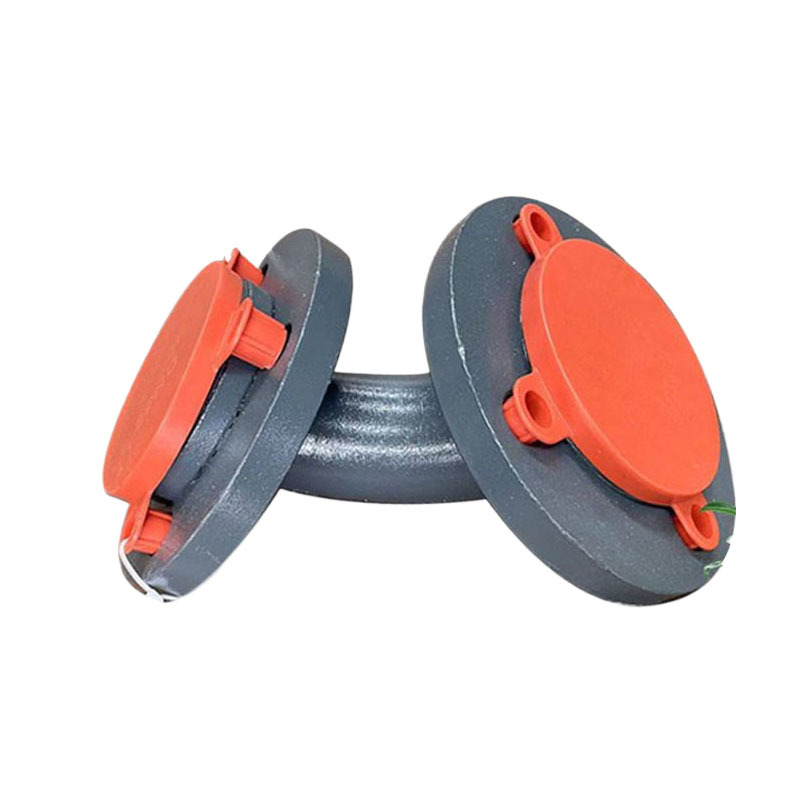
Seal cover protection: The seal cover must not be scratched, cut, or collide with hard objects.
Heat source isolation: Do not perform electric welding, wind cutting, or fire baking on lined fittings and accessories; keep them more than 1 meter away from heat sources.
In summary, lined plastic pipe fittings play an important role in modern industry due to their excellent performance and wide application fields. During use, attention must be paid to all aspects of storage, installation, and maintenance to ensure their normal operation and extend their service life.
Factory Tour
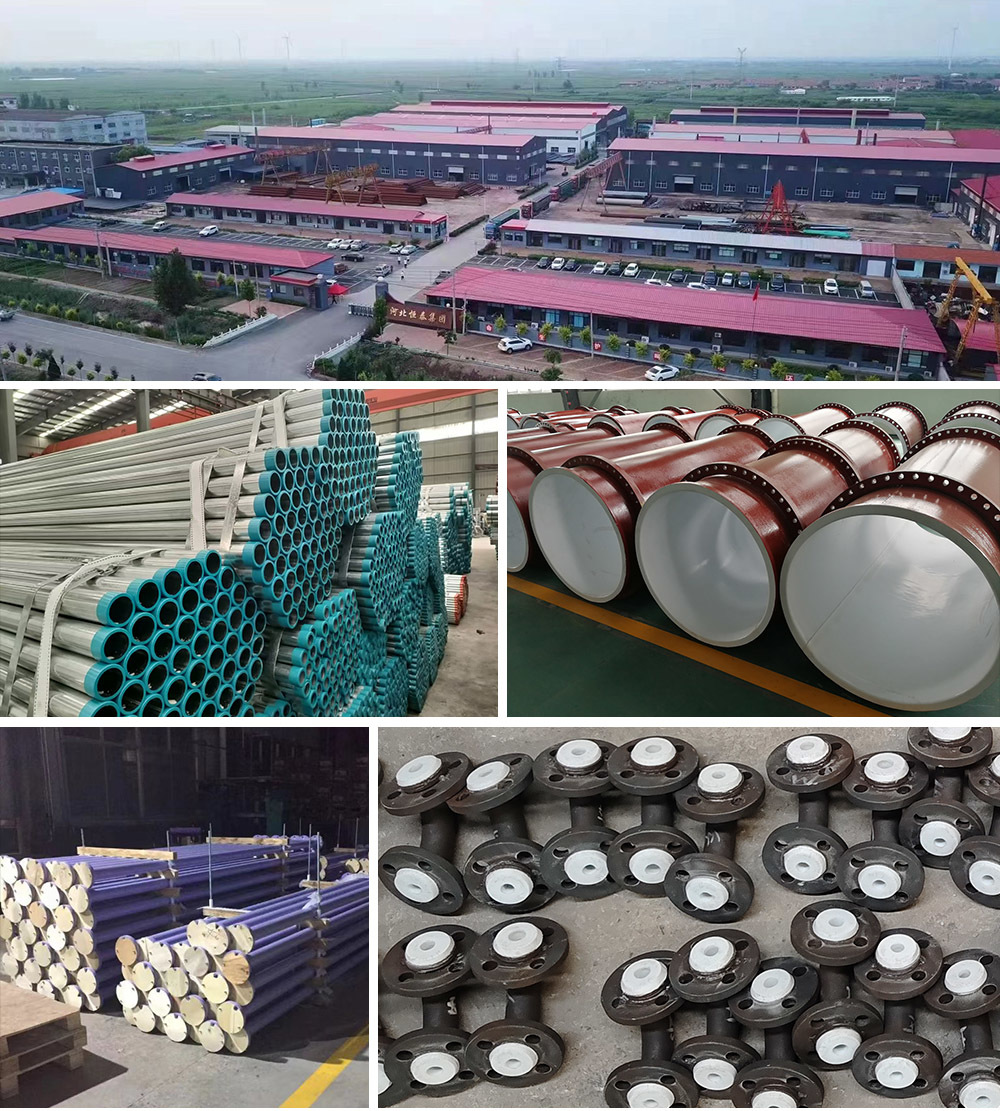
Enterprise Qualification
Keywords
Plastic-coated pipe fittings
Contact Us
Classification

Hebei Hengtai Group, 338 National Road North, Zhenggang Industrial Park, Yanshan County, Cangzhou City, Hebei Province




Request Quote
* Note: Please be sure to fill in the information accurately, we will contact you as soon as possible