Cangzhou Hengtai Zeyuan Anti-corrosion Pipeline Co., Ltd.


Structure and Composition
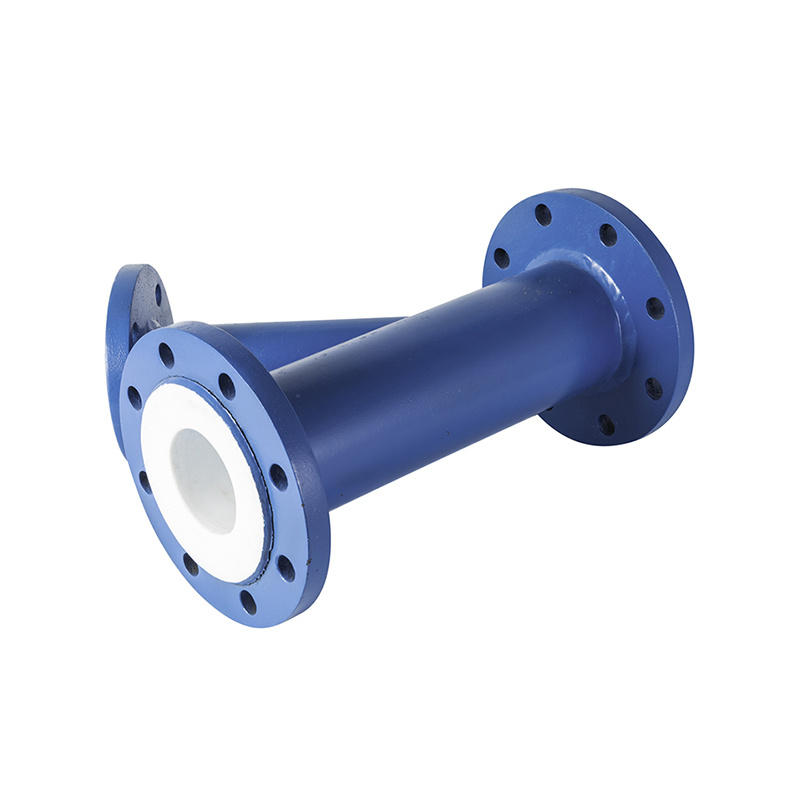
Ceramic lined fittings are mainly composed of a metal outer layer and a ceramic lining layer.
Metal outer layer: Typically made of materials such as carbon steel or stainless steel. The outer layer of carbon steel is relatively low in cost, has high strength, can withstand certain pressures, and provides basic structural support for the fittings. In addition to strength, the stainless steel outer layer also has good corrosion resistance, making it suitable for use in environments with high corrosion resistance requirements, such as the chemical and food processing industries.
Ceramic lining: This is the key part of the fittings. The ceramic materials can be alumina ceramic, silicon carbide ceramic, etc. Alumina ceramic has high hardness, good wear resistance, and strong chemical stability, with its hardness second only to diamond, effectively resisting wear and erosion of materials. Silicon carbide ceramic has very high thermal conductivity and excellent performance in high-temperature environments, and it also has good corrosion resistance, especially in applications involving highly corrosive media.
Manufacturing Process
Centrifugal Casting Process
This is a commonly used method for manufacturing ceramic lined fittings. The metal shell is first formed through the centrifugal casting process, and then a layer of ceramic slurry is evenly coated inside the shell. High-temperature sintering is then performed to solidify the ceramic slurry and form the ceramic lining. This method ensures that the ceramic lining is uniformly thick and tightly bonded to the metal shell. For example, in the manufacturing of large-diameter ceramic lined fittings, centrifugal casting can effectively ensure the quality and performance of the fittings.
Self-propagating High-temperature Synthesis (SHS) Method
Based on the principle of exothermic chemical reactions, this method initiates the synthesis reaction of ceramic materials within the fittings. Metal powders and ceramic raw materials are mixed in a certain proportion and placed inside the fittings, then the reaction mixture is ignited. The reaction will continue on its own, releasing a large amount of heat and forming the ceramic lining. The advantages of this method are its simplicity, energy efficiency, and the strong bonding of the generated ceramic lining to the metal shell, but it requires high process control and precise control of reaction conditions to ensure the quality of the ceramic lining.
Hot Isostatic Pressing (HIP)
Ceramic powder is placed inside the metal shell of the pipe and then sintered under high temperature and high pressure. This method allows the ceramic powder to be subjected to uniform pressure from all directions, resulting in a dense, high-quality ceramic lining. It effectively eliminates porosity in the ceramic lining, enhancing the corrosion resistance and wear resistance of the fittings. However, hot isostatic pressing equipment is expensive and has high production costs.
Advantages
High Wear Resistance
The wear resistance of ceramic lined fittings is many times higher than that of ordinary metal fittings. In industries such as mining, power generation, and metallurgy, using ceramic lined pipes in pipeline systems for transporting ores, coal powder, and slag can significantly reduce wear on the pipes and decrease the frequency of maintenance and replacement. For example, in coal powder transport pipelines underground in coal mines, the lifespan of ceramic lined pipes can reach 5-10 times that of ordinary steel pipes.
Strong Corrosion Resistance
It can resist corrosion from various chemical media. In the chemical industry, ceramic lined fittings can transport acids, bases, salts, and other corrosive solutions. For example, in the chlor-alkali industry, pipelines transporting sodium hydroxide solution use ceramic lined fittings, effectively preventing corrosion of the pipes and ensuring safe and stable production.
Good High-Temperature Resistance
It can operate in high-temperature environments. For instance, in the high-temperature slag transport pipelines of steel mills, ceramic lined pipes can withstand the high temperatures of slag without deforming or damaging as easily as ordinary metal pipes.
Application Fields
Mining Industry
Used for ore transportation and tailings discharge. During the mining and processing of ores, the high hardness and large particle size of the ores cause significant wear on the pipes. Ceramic lined fittings can effectively address this issue, extending the lifespan of the pipes and reducing production costs.
Chemical Industry
Chemical production requires the transportation of various corrosive liquids and gases, and ceramic lined fittings can ensure the safe and stable operation of pipeline systems. For example, they are widely used in petrochemical, fertilizer production, and fine chemical industries.
Power Industry
Used for transporting coal powder and ash removal. In thermal power plants, the coal powder transport pipelines and ash removal pipes use ceramic lined fittings, which can reduce wear and clogging of the pipes and improve power generation efficiency.
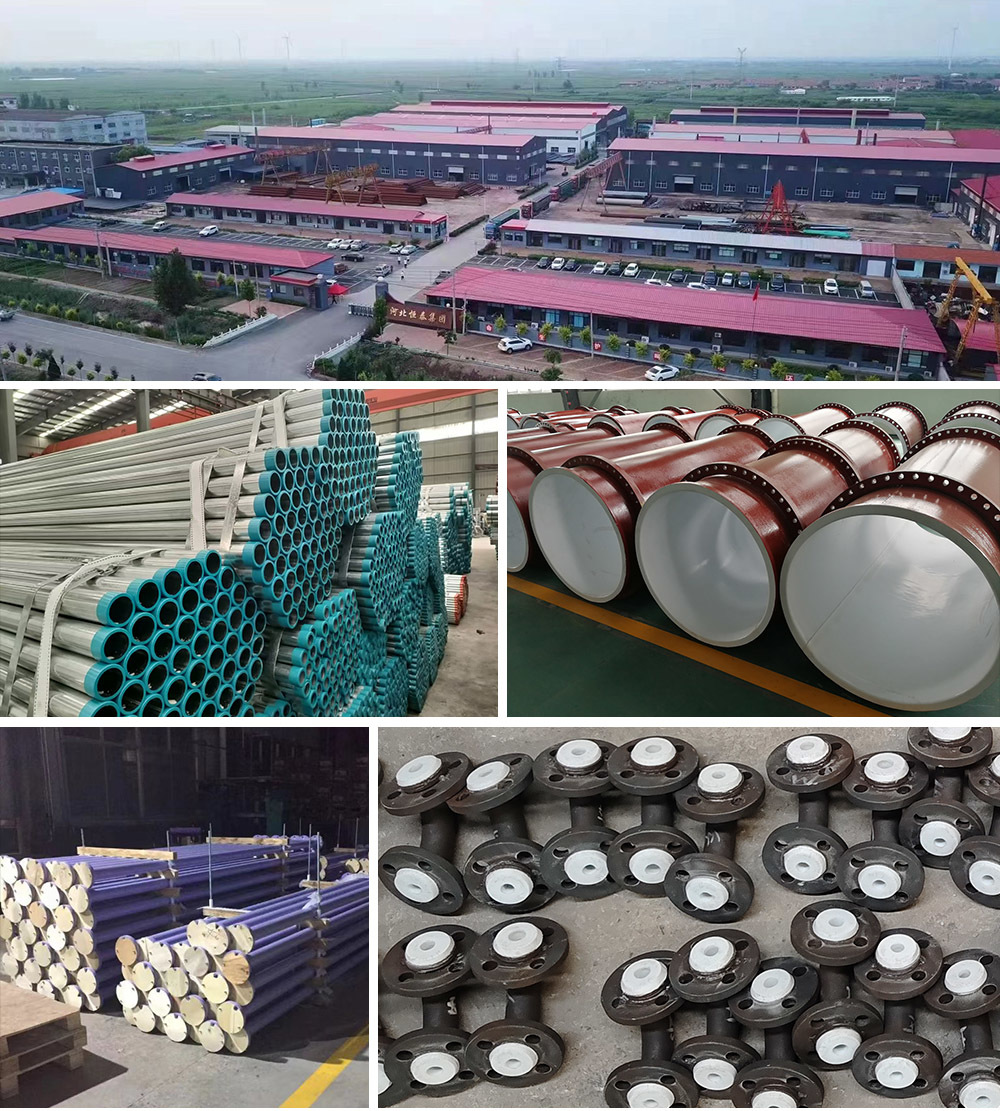
Factory Tour
Enterprise Qualification
Keywords
Ceramic pipe fittings
Contact Us
Classification

Hebei Hengtai Group, 338 National Road North, Zhenggang Industrial Park, Yanshan County, Cangzhou City, Hebei Province




Request Quote
* Note: Please be sure to fill in the information accurately, we will contact you as soon as possible